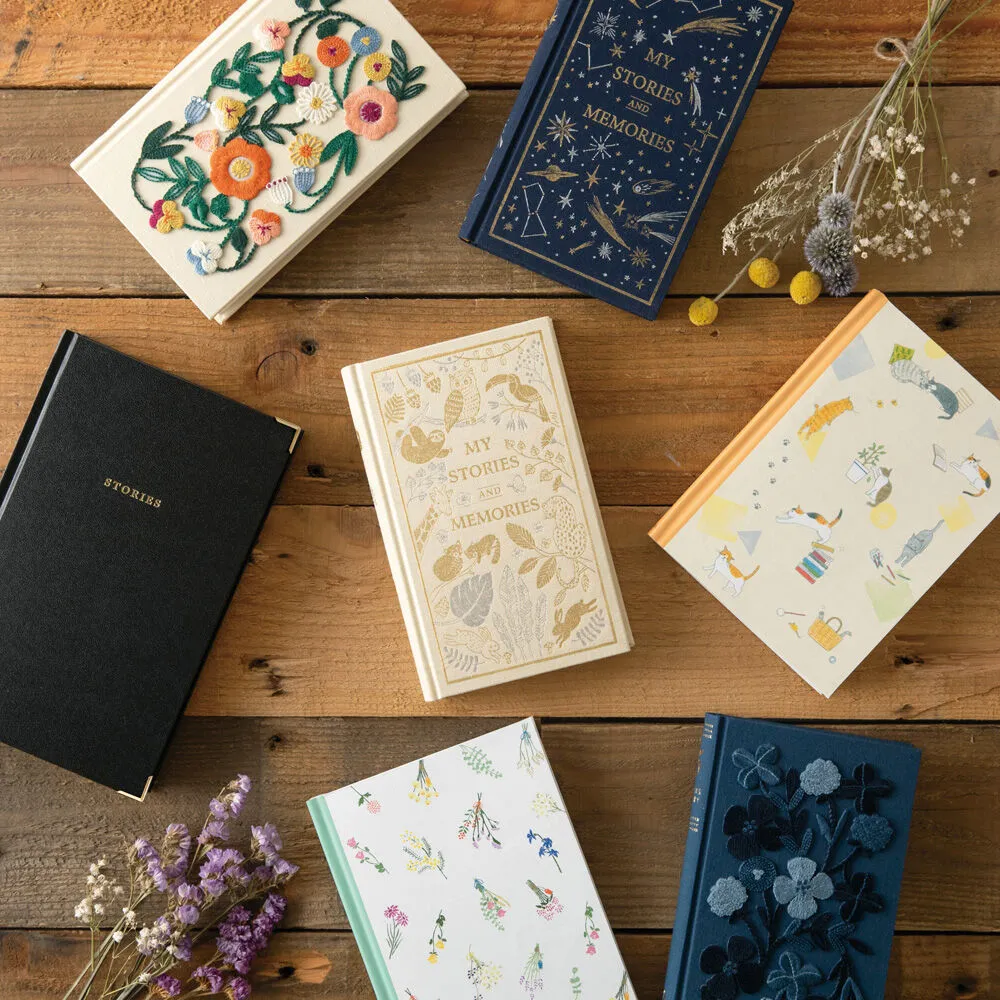
Midori
PartnerJapan · Notebooks & Journals
Japanese stationery brand built around hardbound notebooks and journals — binding and paper chosen so a single volume lasts.

Stationery & Interior Goods — Import / Distribution
We import stationery and interior goods that make an ordinary day a little better — and we get them to a price you don't have to think twice about.
About
One good-looking object on a desk changes how the day feels. That feeling is what Plentyonkorea sells — with one condition attached: it has to be something you can buy without steeling yourself first.
The selection rule is simple: will this get picked up every day, and is the price comfortable? We look for things used on an ordinary Tuesday, not things saved for an occasion.
Stationery and small interior goods are a difficult category to distribute: low unit prices, high SKU counts, thin margins. They also reward patience — once a product finds its shelf, repeat purchase is steady. That is why we keep the list of brands short rather than long.
We work backwards from the shelf price, not forwards from the wholesale cost. If a product cannot land where people buy without hesitating, we pass on it.
We choose the thing that gets picked up daily over the thing that comes out once a year. What gets used is what keeps selling.
We do not inflate sales figures or certification timelines. When we do not know, we say so and come back after checking. Anything meant to last longer than one season depends on it.
A company that gives the same answer to the brand, to the retailer, and to the person who buys the product. That is what we want to be three years from now.
Founder's Note

“I don't think something has to be expensive to be worth keeping on your desk.”
Walking into a stationery shop puts me in a better mood. I think that matters more than it sounds. On a day when nothing in particular happens, one well-made object still makes the day a little better.
But the things I liked were often not available here, or available at a price that made me put them back. Rather than wait for someone else to bring them in, I decided to do it myself. That is where Plentyonkorea started.
So when we meet a brand, two things come first: where the product has to sit on the Korean shelf for people to pick it up, and what would have to change to get it there. That conversation matters more than a big number in a sales plan.
We would rather start small and stay a long time. We are looking for brands who want to work that way.
Why Us
The obstacles are usually the same ones. These are the four we take on.
We start from the retail price, not the wholesale one: what the product has to cost on a Korean shelf to sell, then work backwards through duty, certification, logistics, and margin to arrive at the supply terms we can actually hold.
Each Korean channel has its own paperwork, price bands, and assortment logic. We decide which products fit which channel before proposing anything.
Children's-product and household-goods safety certification, food-contact import filings, and Korean-language labeling are handled in-house, not outsourced back to the brand.
We do not take on many brands at once. Keeping the list short is what makes inventory and channel management workable.
Services
Rather than splitting the work across vendors, we run the import chain in one place.
Finding stationery and interior brands that can work in Korea — reviewing assortment and price positioning before making contact.
HS code classification, duty and VAT calculation, FTA certificate of origin, and customs documentation.
Inbound, storage, and fulfillment, plus order handling per channel — with reorder cycles set against actual turnover.
Choosing channels, preparing retailer proposals, and setting the price structure — deciding the order of entry together with the brand.
Rewriting product pages and copy in Korean, and running channel promotions and content.
Reporting sales data back to the brand and adjusting the next season's assortment together.
Process
Terms differ by brand; the sequence usually does not.
We check assortment, retail pricing, and competing products to see whether a workable Korean price structure exists at all.
Minimum order quantity, supply price, payment terms, and territory are agreed and put in writing.
Required safety certification and import filings are completed, and Korean labeling is produced. This is the step that decides the timeline.
The first order ships, clears customs, and arrives. Initial quantities are set conservatively to read the turnover rate.
Channels open in sequence, starting with the ones that fit the product. We do not open every channel at once.
Sales and inventory data go back to the brand, and the next order and assortment are decided from it.
Korean Market Compliance
Stationery and household goods fall under different Korean statutes depending on the item. Below is an outline of the procedures we handle; what actually applies is determined product by product.
Stationery intended for children aged 13 and under — colored pencils, crayons, erasers — falls under the Special Act on the Safety of Children's Products. We determine applicability and carry out testing and filing.
Certain interior items such as furniture and lighting are regulated as household goods under the Electrical Appliances and Household Goods Safety Control Act. We verify applicability and handle the required testing and marking.
Tumblers, bottles, and tableware that contact food require an import declaration and test report for utensils, containers, and packaging under the Special Act on Imported Food Safety Control.
Importer name, materials, country of origin, manufacture date, and cautions are prepared and applied before clearance. Missing labels are a common cause of customs delay.
Duty rates follow HS classification. We check certificates of origin under agreements such as Korea–EU and Korea–Japan to apply preferential rates where available.
We check prior Korean trademark and design registrations and customs IP recordation. For licensed character products, territory terms are verified separately.
The above outlines procedures that generally apply to our category. Whether a specific product is subject to certification, which tests apply, and how long it takes depend on the product specification, and are confirmed per brand.
Brands
The brands below are currently sold in Korea through online channels on a consignment basis. The Official badge is reserved for brands held under an actual import or distribution agreement; at present, all are Partner.
Japan · Notebooks & Journals
Japanese stationery brand built around hardbound notebooks and journals — binding and paper chosen so a single volume lasts.
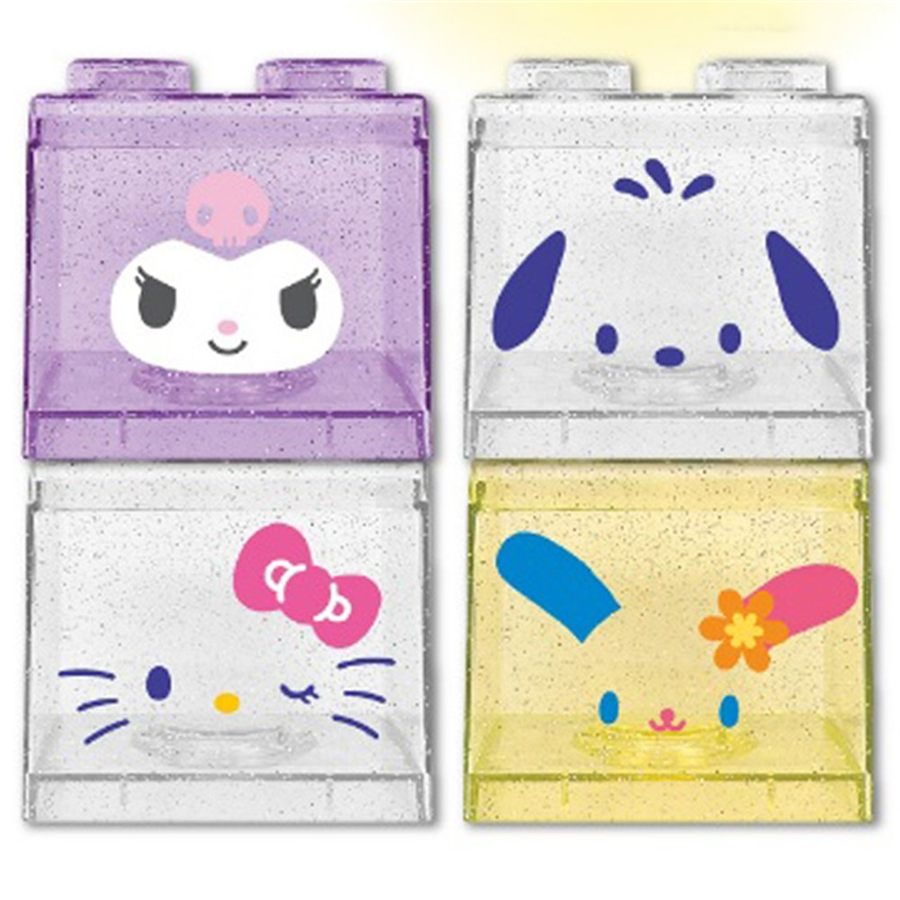
Japan · Character Stationery
Licensed character stationery and storage items. For licensed goods, territory and license terms are verified before any distribution.
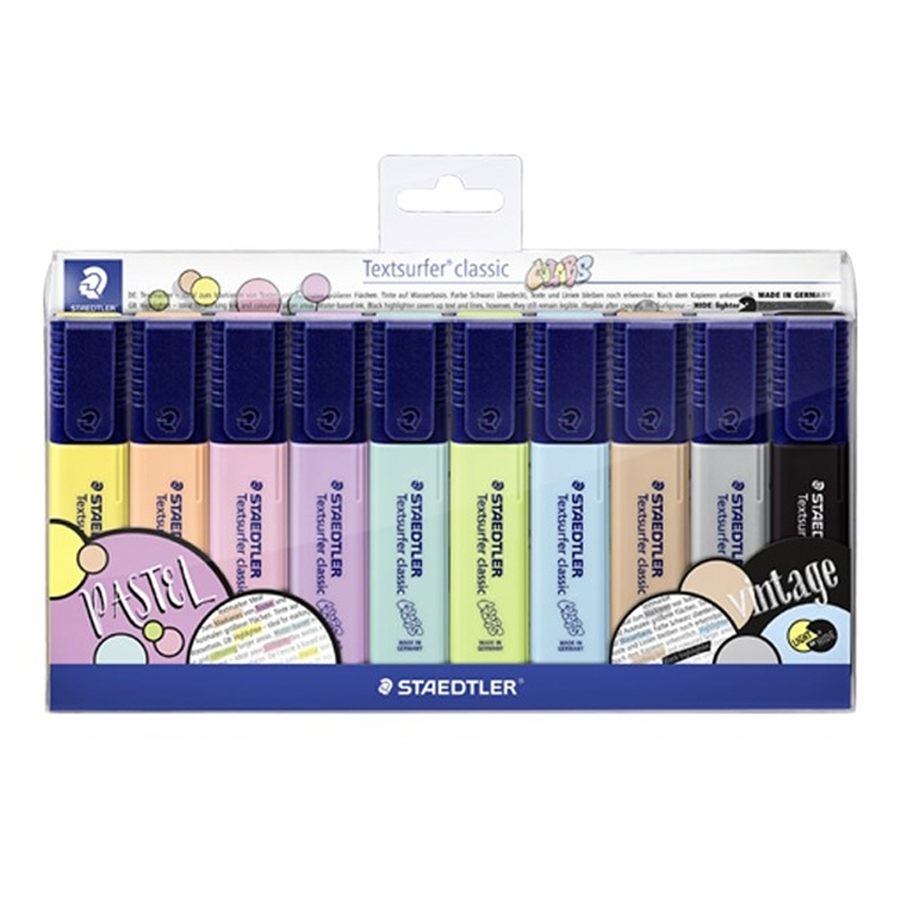
Germany · Writing Instruments
German writing-instrument manufacturer with a wide range of highlighters and colored pencils — the kind bought one at a time without much thought.
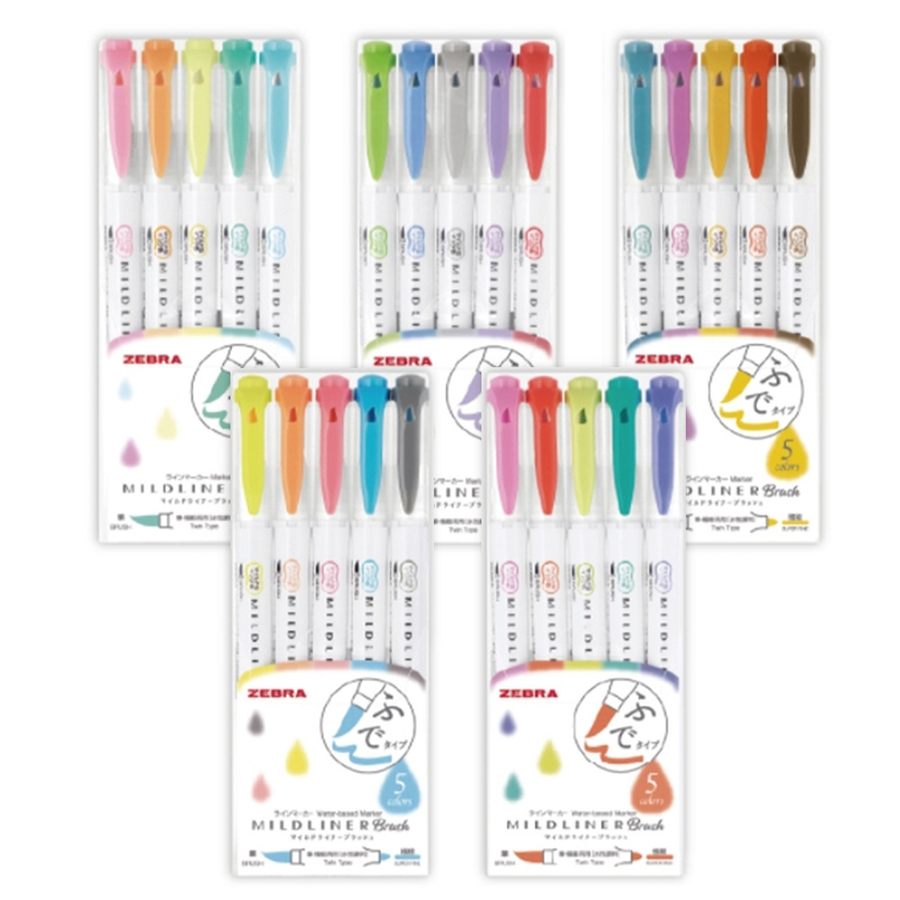
Japan · Writing Instruments
Japanese writing-instrument brand. The Mildliner highlighter line is a textbook repeat-purchase product, driven almost entirely by its color range.
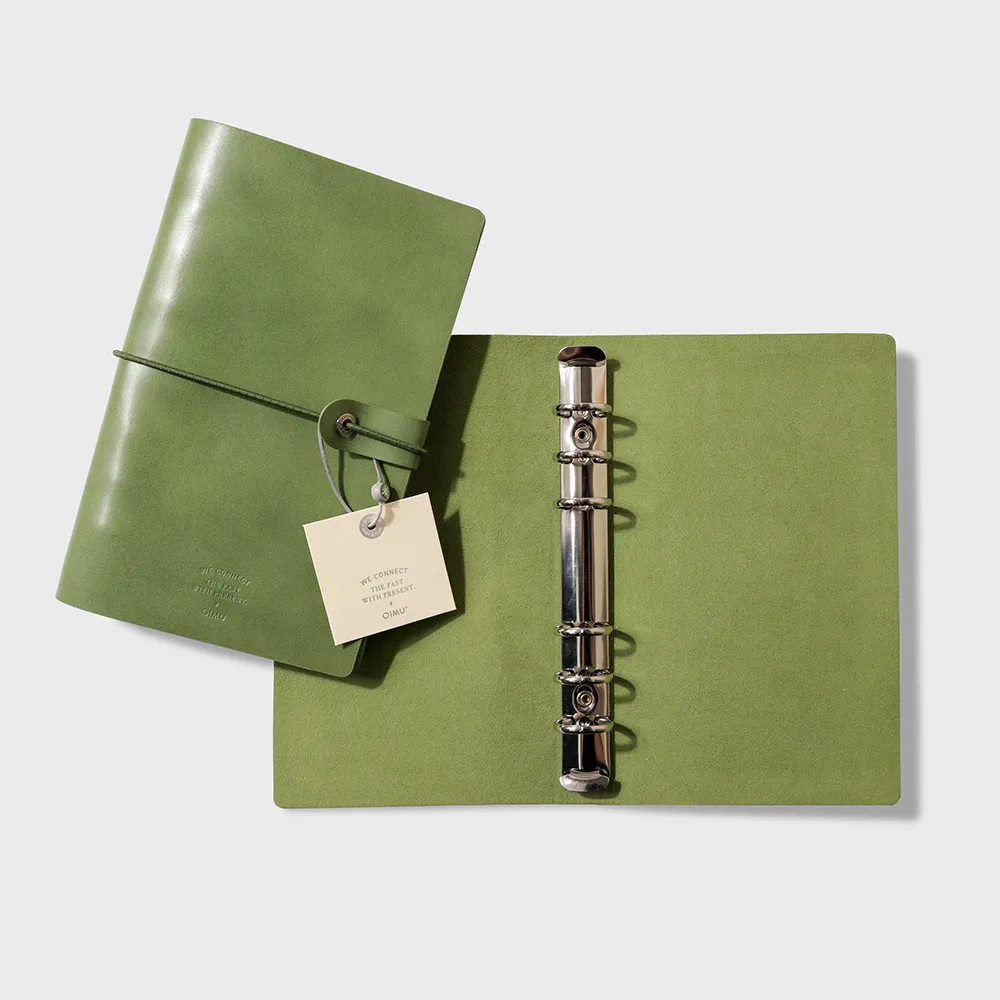
Korea · Design Stationery
Korean design-stationery brand making refillable formats — leather ring binders and the like — built to be kept rather than replaced.
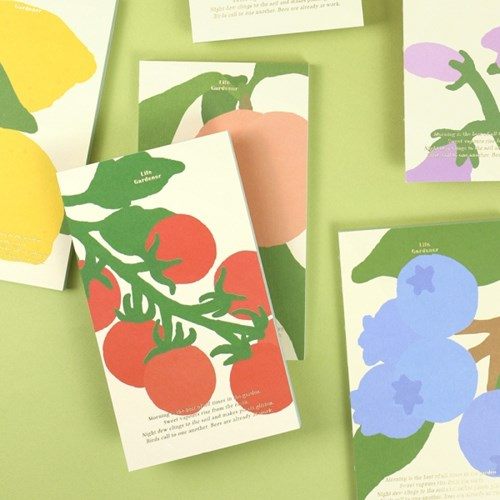
Korea · Paper Goods
Korean paper-goods brand. Illustrated card and paper lines — the price of a single greeting card.
Channels
Domestic channels we have listed and sold on. Channel-by-channel plans and terms are covered in individual brand proposals, not here.


Contact
Send a catalogue and wholesale pricing, and we will come back with a view on the achievable Korean price structure and the certification steps the product would need. English and Korean both fine.
We reply within two business days.